
February 1, 1901 – May 22, 1967
Langston Hughes
"The Negro Speaks of Rivers"
The jazz poet who gave voice to working-class Black America. While other Harlem Renaissance artists polished their respectability, Hughes wrote about "workers, roustabouts, and job hunters on Lenox Avenue"—capturing the blues, the laughter, and the unvarnished truth of Black life.
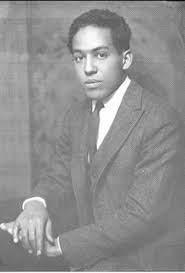
Voice of the Harlem Renaissance
In 1925, Langston Hughes was working as a busboy at the Wardman Park Hotel in Washington, D.C. When he learned that poet Vachel Lindsay was dining there, Hughes slipped three poems onto his table.
That night, Lindsay announced he had "discovered" a busboy poet, launching Hughes's career. "The Weary Blues" was published in 1926, establishing Hughes as the inventor of jazz poetry.
In 1926, Hughes published "The Negro Artist and the Racial Mountain," declaring: "We younger Negro artists who create now intend to express our individual dark-skinned selves without fear or shame."
While others sought respectability, Hughes wrote about "workers, roustabouts, and job hunters on Lenox Avenue." Critics called his work "trash," but he refused to sanitize Black life for white acceptance.
From 1942 to 1962, Hughes wrote a weekly column featuring Jesse B. Semple ("Simple")—a Harlem everyman who commented on race and survival with plainspoken wisdom.
When Hughes died in 1967, his ashes were interred beneath a cosmogram at the Schomburg Center in Harlem. His home at 20 East 127th Street is now a landmark, and the street has been renamed "Langston Hughes Place."
Join the Uptown Legacy Community
Get Harlem stories, events and exclusive guides.