December 8, 1925 – May 16, 1990
Sammy Davis Jr.
"Mr. Entertainment"
Born in Harlem and performing from age three, Sammy Davis Jr. became the ultimate triple threat—singer, dancer, actor, comedian, and impressionist. A founding member of the Rat Pack with Frank Sinatra and Dean Martin, he broke racial barriers in Las Vegas, converted to Judaism after losing his eye in a car crash, and used his talent as a weapon against racism. He wanted his tombstone to read simply: "The Entertainer."
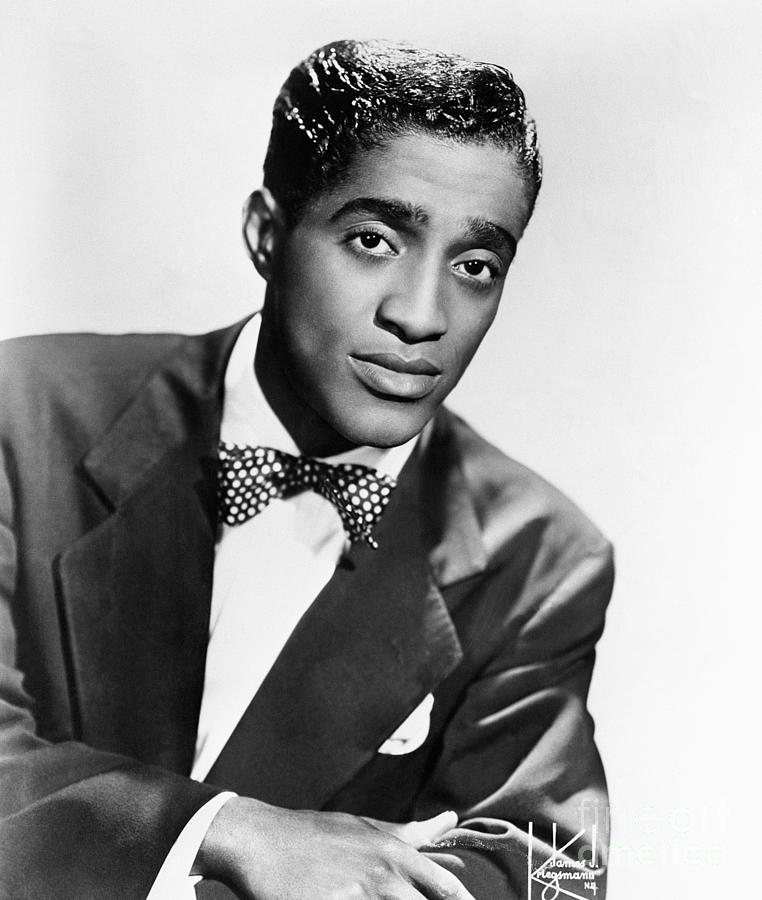
The Greatest Entertainer
In 1960, Sammy joined Frank Sinatra, Dean Martin, Peter Lawford, and Joey Bishop in the Rat Pack, filming "Ocean's Eleven" in Las Vegas while performing nightly at the Sands Hotel. Their boozy, freewheeling act became the stuff of legend, but for Sammy, the success was bittersweet—he wasn't allowed to stay in the hotel he performed in, forced instead to room at the segregated side of town.
Sammy refused to accept second-class treatment. Using his star power, he demanded integration of Las Vegas hotels and casinos, insisting on staying where he performed. His boycott threats carried weight—losing Sammy Davis Jr. meant losing revenue. By the late 1960s, he had helped desegregate the Strip, opening doors for Black performers who followed.
The Rat Pack's 1988 reunion tour—29 cities—came two years before Sammy's death. When he died in 1990, the Las Vegas Strip went dark for ten minutes in tribute to the man who conquered it while fighting to change it.
In November 1954, driving to a recording session in Los Angeles, Sammy crashed his car on Route 66. The accident crushed his face and destroyed his left eye. At 29, he faced a terrifying question: would the world still want a one-eyed Black entertainer?
During his hospital recovery, he converted to Judaism, finding solace in a religion that mirrored his own experience of survival against persecution. He initially wore an eye patch until Humphrey Bogart told him: "You don't want to be known as the kid with the patch." Sammy ditched the patch, embraced the glass eye, and came back stronger.
The 1965 song "Yes I Can"—cut from his Broadway show "Golden Boy"—became his anthem. It was the title of his autobiography, a declaration of defiance against racism, injury, and the odds. "My talent was the weapon, the power, the way for me to fight," he wrote.
Sammy used his fame to fuel the Civil Rights Movement. In 1961, he joined Sinatra, Martin, Harry Belafonte, and Tony Bennett at Carnegie Hall for a tribute to Martin Luther King Jr., raising over $50,000 for the SCLC. He marched in Selma in 1965 and performed at the 1963 March on Washington.
Dr. King wrote to him in 1961: "Not very long ago, it was customary for Negro artists to hold themselves aloof from the struggle... Today, greats like Harry Belafonte, Sidney Poitier, Mahalia Jackson, and yourself... are not content to merely identify with the struggle. They actively participate in it." Sammy later said he would give King his good eye if he could.
His interracial marriage to Swedish actress May Britt in 1960 made headlines and drew death threats—interracial marriage was still illegal in 31 states. Yet he persisted, living his life as a testament to breaking down barriers until his death from throat cancer in 1990. His tombstone reads simply: "The Entertainer"—the one word that said it all.
Join the Uptown Legacy Community
Get Harlem stories, events and exclusive guides.